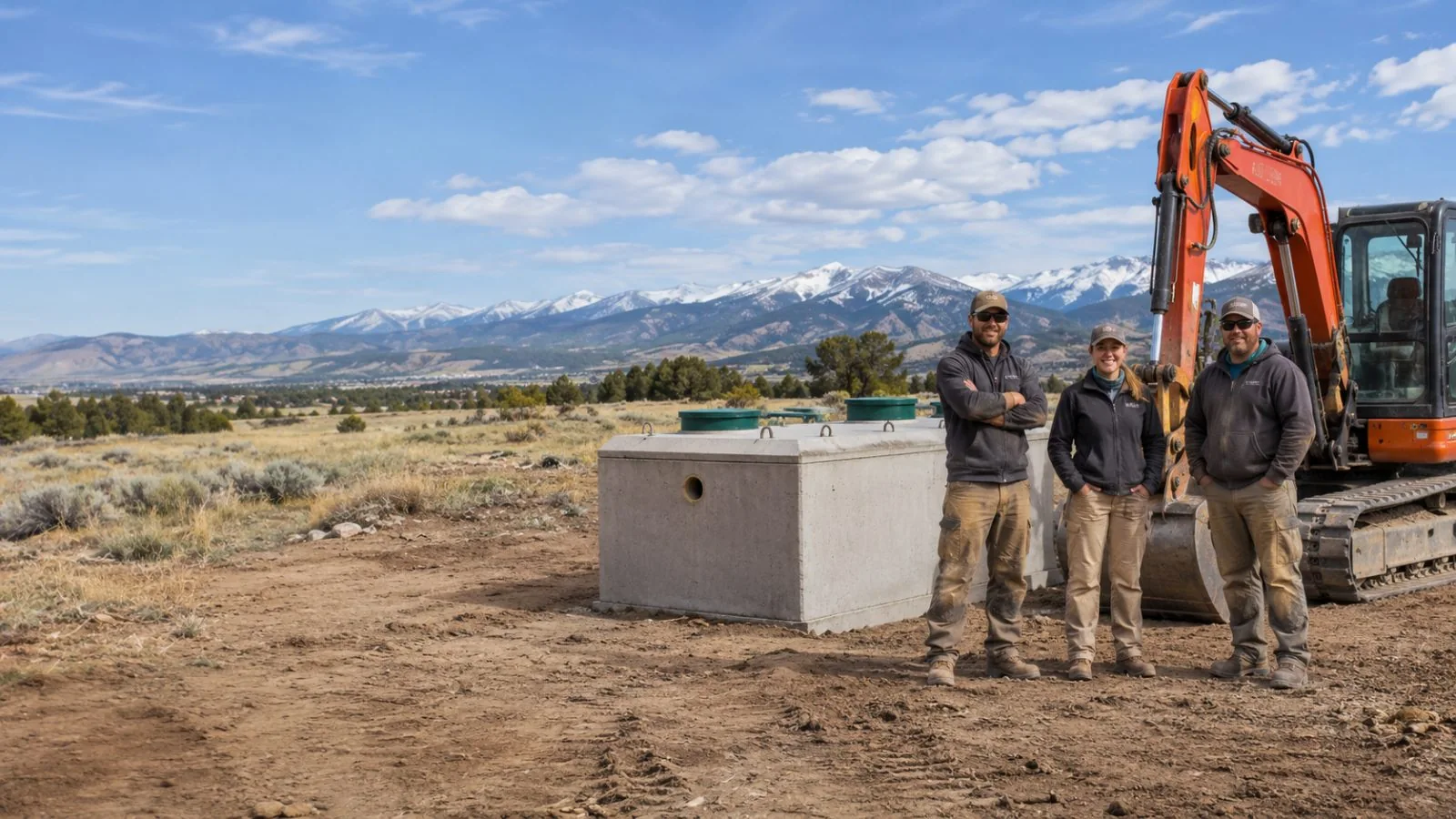
Local Septic Services in Chaffee County
Septic System Installation in Salida, CO
Planning a new septic system or replacing an old one? Get a Free Estimate
Local Septic Services in Chaffee County
Planning a new septic system or replacing an old one? Get a Free Estimate
A septic system is one of the most important parts of a home that is not connected to a public sewer. When it works, you barely think about it. When it does not, everything from daily routines to future building plans can become complicated. At Salida Septic Installation, we focus on helping property owners understand what their land needs before installation begins.
We serve Salida and surrounding Chaffee County communities with septic system installation, replacement, repair, drain field replacement, and inspections. Whether you are building a home, dealing with an aging system, or trying to understand a property before making a decision, we believe the right starting point is a clear assessment of the site.
Working with septic systems in Chaffee County means paying attention to the land. A building site near Salida can have very different conditions from a property along Chalk Creek or a rural parcel outside Buena Vista. Soil characteristics, groundwater conditions, slopes, well locations, property boundaries, and access for equipment can all affect what kind of system is appropriate.
We approach septic work as a long-term investment in the property. Our focus is on understanding the site, explaining the available options, respecting the permitting process, and keeping property owners informed. A carefully planned system should fit the land, meet applicable requirements, and support the household it serves.
New septic installation begins long before a tank goes into the ground. The first questions are about the property itself. Is public sewer available or required? Where could a soil treatment area be located? What does the soil evaluation show? Are there wells, waterways, easements, steep slopes, or building restrictions that affect the design?
Colorado's onsite wastewater treatment system rules and Chaffee County requirements guide the planning and permitting process. Depending on the property, a system may require a site and soil evaluation, a specific design, engineering involvement, and inspections before it can be placed into service.
Our goal is to help owners approach those steps in the right order rather than rushing into excavation. A septic system has to work with the land. Choosing a location simply because it looks convenient is not enough.
A new home is an opportunity to plan the septic system alongside the driveway, house footprint, well, utilities, and outdoor living areas. Leaving septic decisions until late in the project can create unnecessary conflicts. The proposed home size, anticipated wastewater flow, and available land all need to be considered.
For a vacant parcel, septic feasibility is an important question before assuming a particular building plan will work. Soil conditions and local restrictions may determine whether a conventional system is suitable or whether a different approved design is needed.
Older septic systems may no longer meet the needs of a property. Some have deteriorating tanks, damaged piping, or soil treatment areas that have lost their ability to accept wastewater. Others may need evaluation because a renovation or proposed change in use could increase wastewater flow.
Replacement is not always a simple matter of putting a new tank where the old one stood. The existing system's condition, available area, setbacks, and current regulatory requirements have to be reviewed. We focus on helping owners understand those considerations before making a major decision.
A septic project can involve property owners, designers, evaluators, permit authorities, inspectors, and installation crews. Understanding the sequence helps prevent confusion and makes it easier to plan construction around the wastewater system.
We begin with the basics. Where is the property located? Is it a vacant lot or an existing home? Is there already a septic system? What is the intended use of the building? Are there known drainage problems, well locations, access limitations, or property restrictions?
These questions help frame the project. They also make it easier to identify what information is missing before any decisions are made.
The site and soil evaluation is a central part of septic planning. Different soil layers accept and treat water differently. Groundwater, bedrock, slopes, and nearby features can also limit the available treatment area.
Chaffee County's permitting process may require a detailed site plan, soil evaluation information, and a system design. Some projects require a Colorado-licensed professional engineer. We believe those requirements should be understood early, rather than discovered after work has started.
Once the site requirements are understood, the system can be planned around applicable rules and the property's needs. Tank location, treatment area, distribution components, access, and any additional equipment must be addressed in the approved design.
A clear plan helps the property owner understand what will be installed, where construction will occur, and which areas need to remain protected after the work is complete.
Installation follows the approved design and applicable permit conditions. Work may include excavation, tank placement, connecting piping, construction of the soil treatment area, and preparation for required inspections.
Certain components need to remain visible until they have been inspected. Coordination at this stage matters because premature backfilling can complicate inspection and correction.
Once a septic system is operating, it needs sensible care. Tank pumping intervals depend on usage and system conditions. Vehicles and heavy equipment should stay off areas that are not designed to carry those loads, and property owners should know where the components are located.
Good maintenance does not eliminate every possible problem, but it can reduce avoidable stress on the system.
Salida is the center of our service focus. We also feature Poncha Springs, Nathrop, and Buena Vista, where property conditions and development patterns create different septic planning considerations.
In Poncha Springs, the contrast between established lots and developing areas means the first step is often confirming utility availability and the applicable jurisdiction. Near Nathrop and Chalk Creek, slopes, mountain terrain, access, and water features can play a larger role. Around Buena Vista, properties outside the sewer-served core may need septic solutions that account for older infrastructure, changing residential use, or rural site conditions.
We do not assume that every property in these communities uses a septic system. Where a sewer district serves a parcel, public connection rules may control the project. For properties that are eligible for onsite wastewater treatment, the next step is a careful site-specific evaluation.
For budgeting, a 2026 Central Colorado septic guide lists installed costs of $10,000–$14,000 for a three-bedroom gravity system and $22,000–$40,000 for a three-bedroom engineered or pressure-dosed system. These are regional planning estimates. Request a written quote for your property.
Soil and slope, anticipated wastewater flow, the approved design, equipment access and surface restoration all affect a septic quote. Ask for a written scope that itemizes site evaluation, design, permits, excavation, system components and final grading. For a replacement, ask which existing components can be retained and how abandoned components will be handled. A site-specific estimate can also account for special excavation, access or restoration needs.
Our services focus on the main parts of a property's onsite wastewater system, from planning new installations to evaluating and addressing existing problems. Each project begins with the conditions and requirements of the individual site.
Plan a new septic system around your property's soil, wastewater needs, and applicable county requirements.
Learn more →Explore replacement options for aging, damaged, or failing septic systems on eligible properties.
Learn more →Investigate septic problems and identify appropriate repairs before assuming full replacement is necessary.
Learn more →Plan replacement of failing septic soil treatment areas based on site conditions and approved designs.
Learn more →Understand existing septic conditions before buying, renovating, repairing, or replacing a system.
Learn more →Our primary service location is Salida, Colorado. We also focus on Poncha Springs, Nathrop, and Buena Vista, including eligible properties in nearby rural areas. The right septic approach depends on the property's actual location, sanitation district boundaries, soil conditions, and applicable permitting requirements.
From properties beyond the municipal sewer network to rural homes in the surrounding valley, Salida presents a mix of building sites and existing septic systems. We help owners think through new installations, aging equipment, and the practical details of working on their particular parcel.
Poncha Springs includes established streets, developing residential areas, and properties near major highway corridors. For eligible septic projects, confirming district service boundaries and the available space for treatment is an important first step.
The Nathrop area extends toward Chalk Creek and the slopes around Mount Princeton. Site access, varying grades, soils, and nearby waterways are important considerations for mountain and rural septic projects.
Around Buena Vista, the distinction between sewer-served town neighborhoods and outlying properties matters. Rural parcels may need onsite wastewater systems designed around changing land use, well separation, and the available treatment area.
We welcome inquiries about properties throughout these service areas.
See all service areas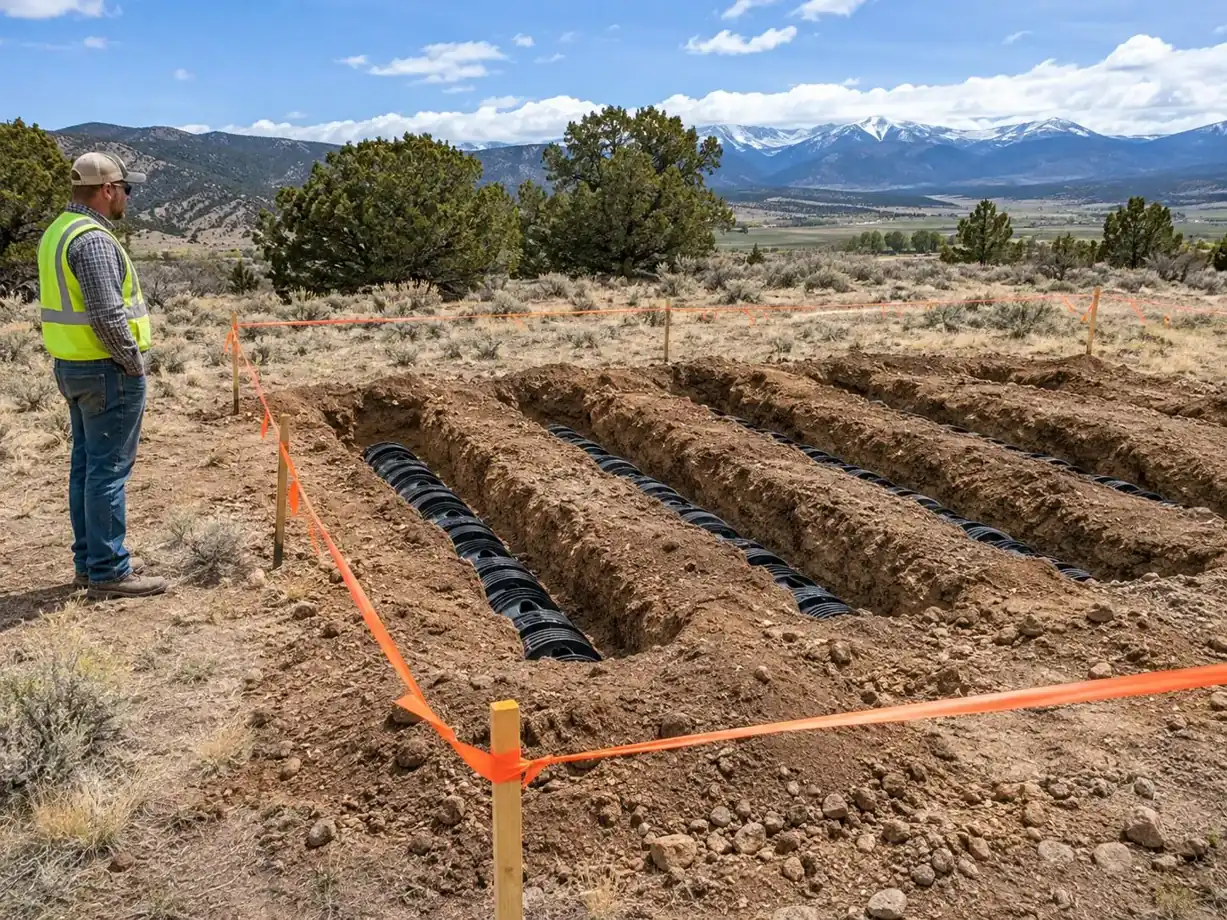
We focus on what the individual site requires rather than assuming the same septic design will work everywhere. Soil, groundwater, access, and building plans all deserve attention.
Septic terminology and permitting can be confusing. We aim to explain the process in plain language so owners can understand their options.
Chaffee County and Colorado have specific rules for onsite wastewater systems. We place importance on the evaluations, designs, permits, and inspections applicable to each project.
A septic system should serve the property well beyond installation day. We consider future access, maintenance, and protection of the treatment area.
Our service content centers on installation, replacement, repair, drain fields, and inspections. That keeps the conversation on the wastewater system and the decisions that matter to its operation.
Rural roads, slopes, seasonal conditions, and irregular lots can complicate a project. Those practical constraints belong in the planning discussion from the beginning.
Septic installation generally requires an onsite wastewater treatment system permit from the appropriate local authority. Chaffee County has application, site evaluation, design, and inspection requirements. Properties within municipal or sanitation district boundaries may have additional requirements or be required to connect to sewer service.
Not every property can support the same type of septic system, and some parcels may have significant restrictions. A site and soil evaluation, available land, setbacks, and the local wastewater rules help determine whether an onsite system is feasible.
Repeated sewage backups, persistent wet areas, surfacing wastewater, and recurring system problems can indicate a need for professional evaluation. Some issues are repairable, while others may require replacement of a tank, treatment field, or larger portion of the system.
The overall schedule depends on site evaluation, design requirements, permitting, equipment access, construction conditions, and inspection availability. The physical installation is only one part of the process, so it is important to plan ahead.
Start by confirming whether the property can use an onsite wastewater system and what approvals are required. The site and soil evaluation provides critical information for developing an appropriate design.
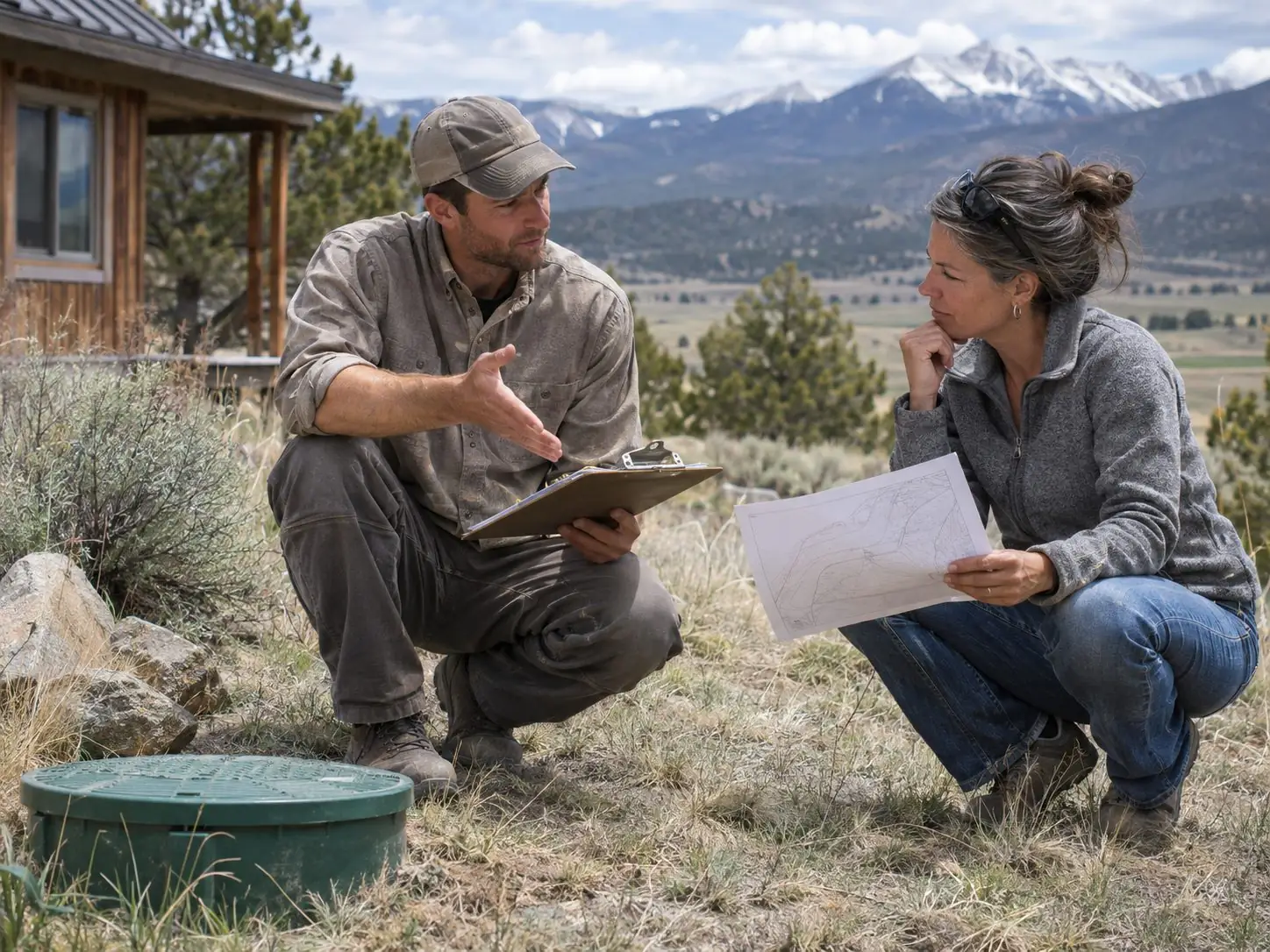
Have a septic project in Salida or Chaffee County? Share your property location and the type of work you are considering.
Free — no obligations