Septic Soil Treatment Area Solutions
Drain Field Replacement in Salida, CO
Concerned about a failing septic drain field? Get a Free Estimate
Septic Soil Treatment Area Solutions
Concerned about a failing septic drain field? Get a Free Estimate
See the Chaffee County onsite wastewater permit application for site plan, installer and inspection requirements.
The drain field, also called the leach field or soil treatment area, is one of the most important parts of a septic system. It receives wastewater after primary treatment in the septic tank and allows further treatment to occur in the soil.
When the field no longer functions adequately, wastewater may collect underground, move toward the surface, or back up through the system. Drain field replacement requires careful consideration of soil conditions, available land, current regulations, and the condition of the rest of the septic system.
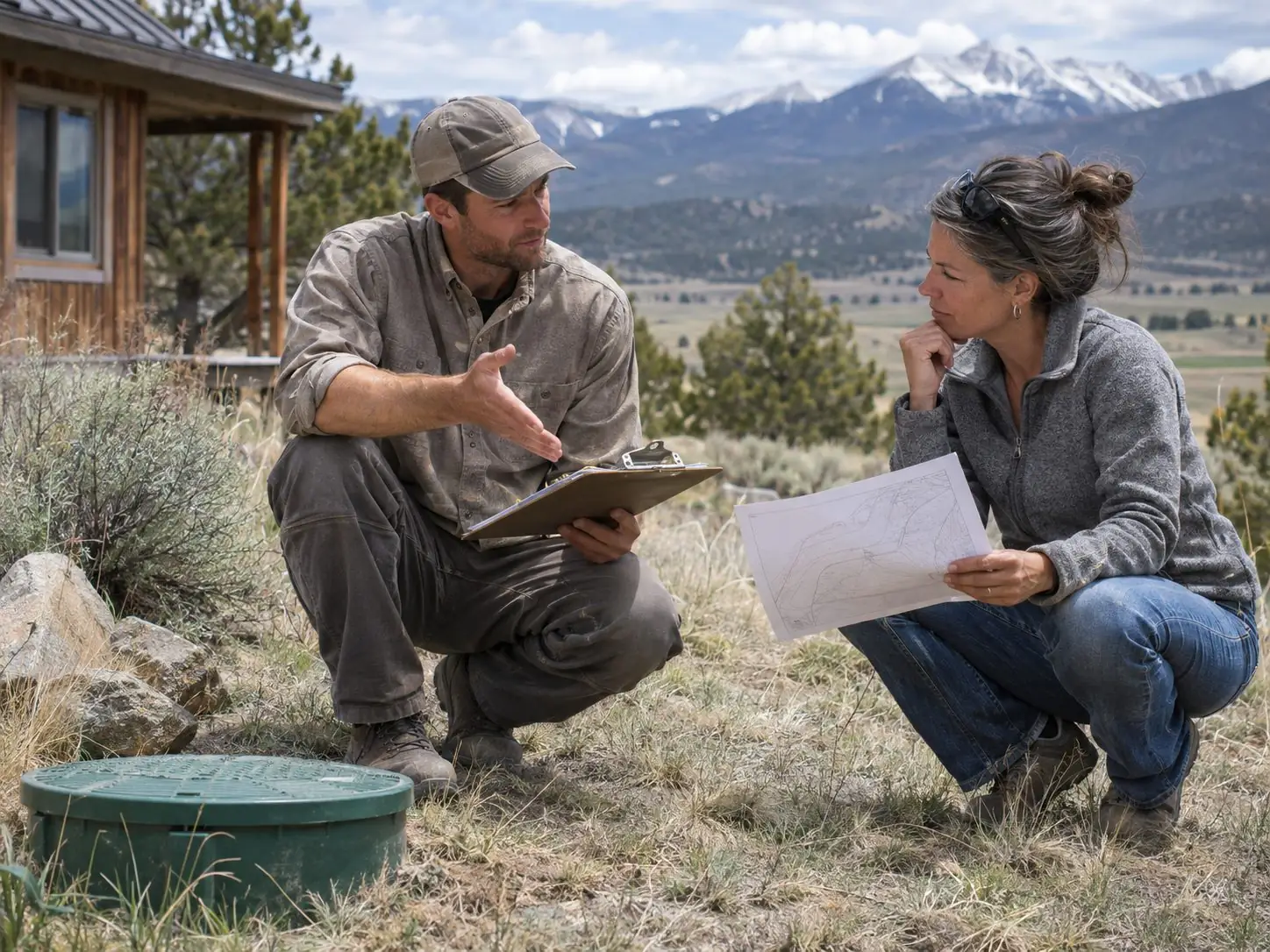
A soil treatment area can become ineffective for several reasons. Excessive hydraulic loading, accumulated solids, soil compaction, physical damage, or unfavorable site conditions may contribute to poor performance. ## Signs of Drain Field Trouble Persistent wet ground near the field, sewage odors outdoors, wastewater surfacing, and sewage backups during normal household use can indicate a treatment area problem. These symptoms require investigation rather than an automatic assumption that the drain field must be replaced. Surface runoff, irrigation, and seasonal groundwater can sometimes create wet areas that are unrelated to septic failure. A proper evaluation helps separate those conditions from wastewater problems. ### Why a Replacement Needs New Site Information The existing field location may not be suitable for a replacement. Depending on the site, a new soil treatment area may need to be located elsewhere or designed using a different approved configuration. Soil investigation and current separation requirements help establish the available options.
Understanding why the existing area is failing helps guide replacement planning. The evaluation may consider wastewater flow, treatment area condition, distribution components, drainage patterns, and the history of recurring problems. A replacement should address the underlying conditions rather than simply creating another treatment area in unsuitable ground. The investigation also helps determine whether other septic components require attention.
Available land is a major consideration. The proposed field must meet applicable separation requirements and fit around wells, structures, utilities, water features, slopes, and property boundaries. A parcel that appears spacious can still contain important restrictions. Soil conditions may change over short distances, and the usable treatment area must be established through appropriate evaluation.
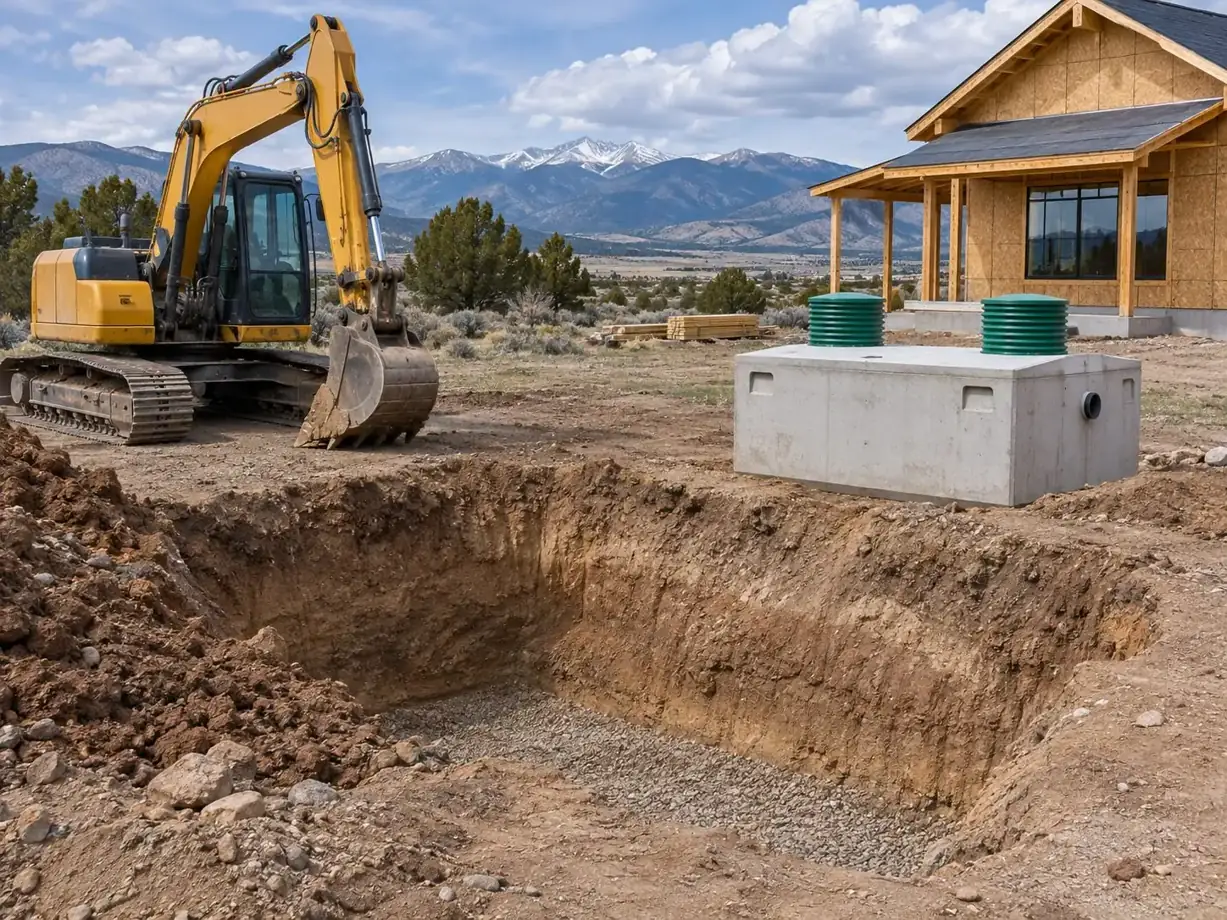
Drain field replacement is based on the soil evaluation, design flow, system configuration, and local requirements. Some sites may accommodate a conventional subsurface treatment area, while others may require a more specialized approved design. The design must specify the components, dimensions, location, and construction details. Any engineering requirements also need to be addressed before the replacement is built.
The soil treatment area needs careful handling during construction. Unnecessary equipment traffic can compact soil, while improper grading or uncontrolled runoff can affect treatment performance. Construction should follow the approved plan, including any requirements for excavation depth, approved materials, distribution, and inspection. Protecting the treatment area is important even after the installation is finished.
Property owners can help preserve a functioning field by keeping vehicles and heavy equipment off it, directing appropriate surface runoff away, and avoiding unnecessary disturbance. Water use and septic tank maintenance also affect how the system performs. Trees, landscaping changes, and new structures should be planned with the septic layout in mind. Knowing the location of the treatment area makes it easier to protect it.
Drain field performance depends on the soil and wastewater loading, not just the length of the installed piping.
The replacement area needs to fit the property's physical conditions and current requirements.
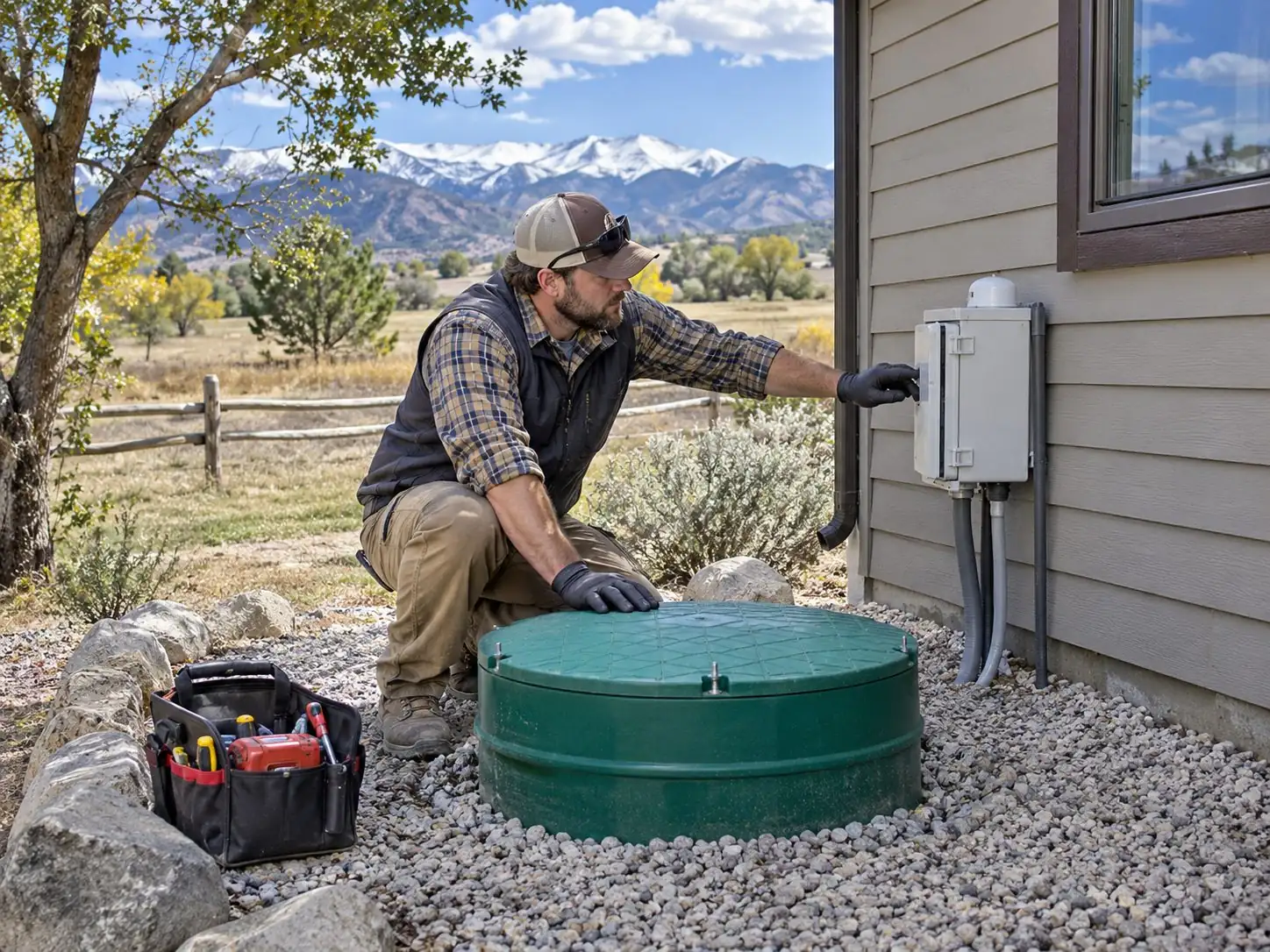
Tank condition, wastewater flow, and distribution issues should be considered when planning a new field.
We emphasize the importance of grading, proper use, maintenance, and keeping heavy loads away from treatment areas.
Describe the conditions around your existing drain field and where your property is located.
Free — no obligations
Discuss wet areas, backups, odors, and the maintenance history of the existing septic system.
Identify soil investigation needs, potential replacement locations, and nearby restrictions.
Use required evaluation results to establish the replacement treatment area and related system components.
Follow the approved plan and protect the treatment soil from unnecessary disturbance.
Address required inspections and discuss the care needed to protect the replacement area.